RURAL UK – BEYOND LONDON
London teaches you how to move fast. Rural Britain teaches you how to arrive.
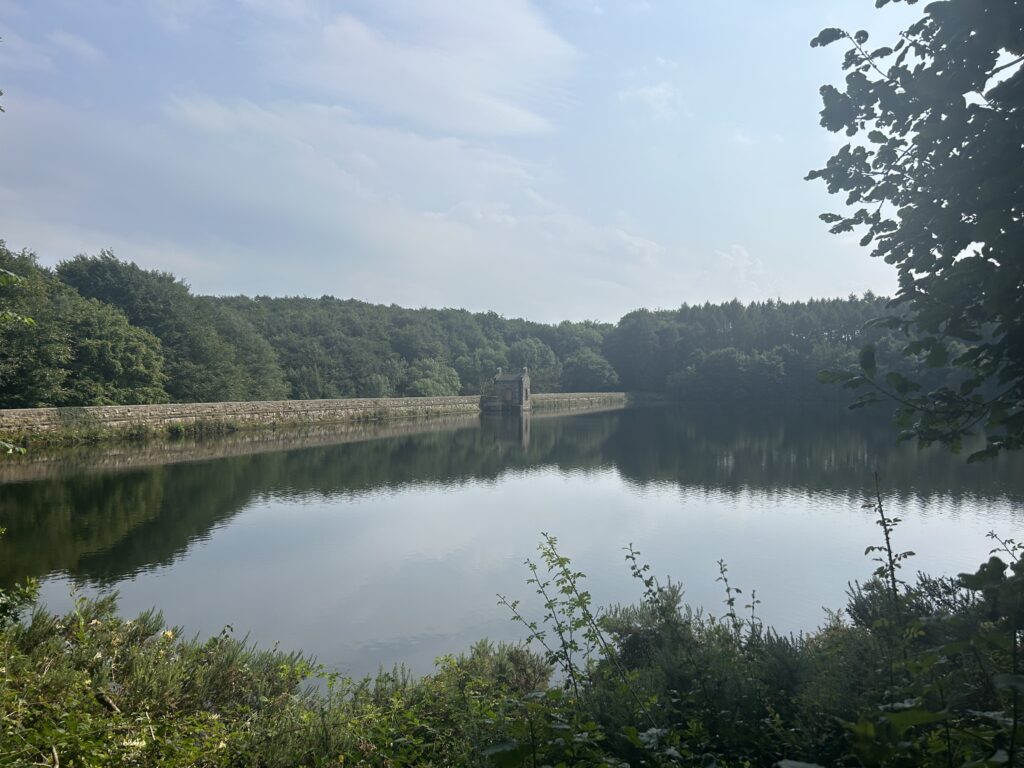
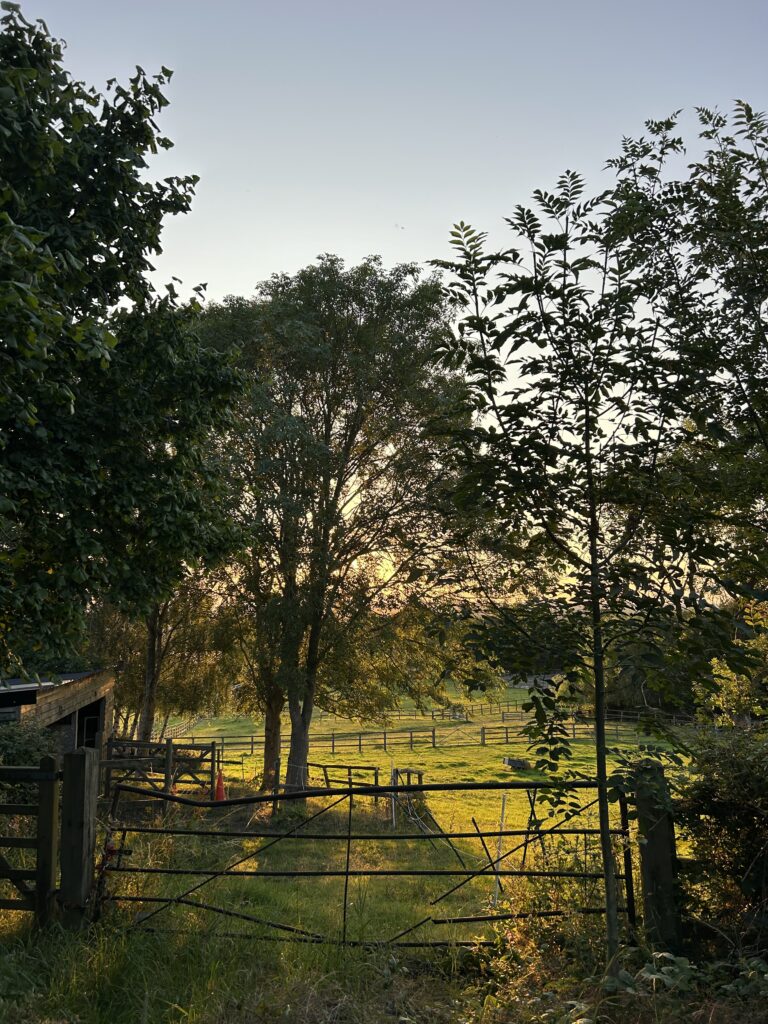
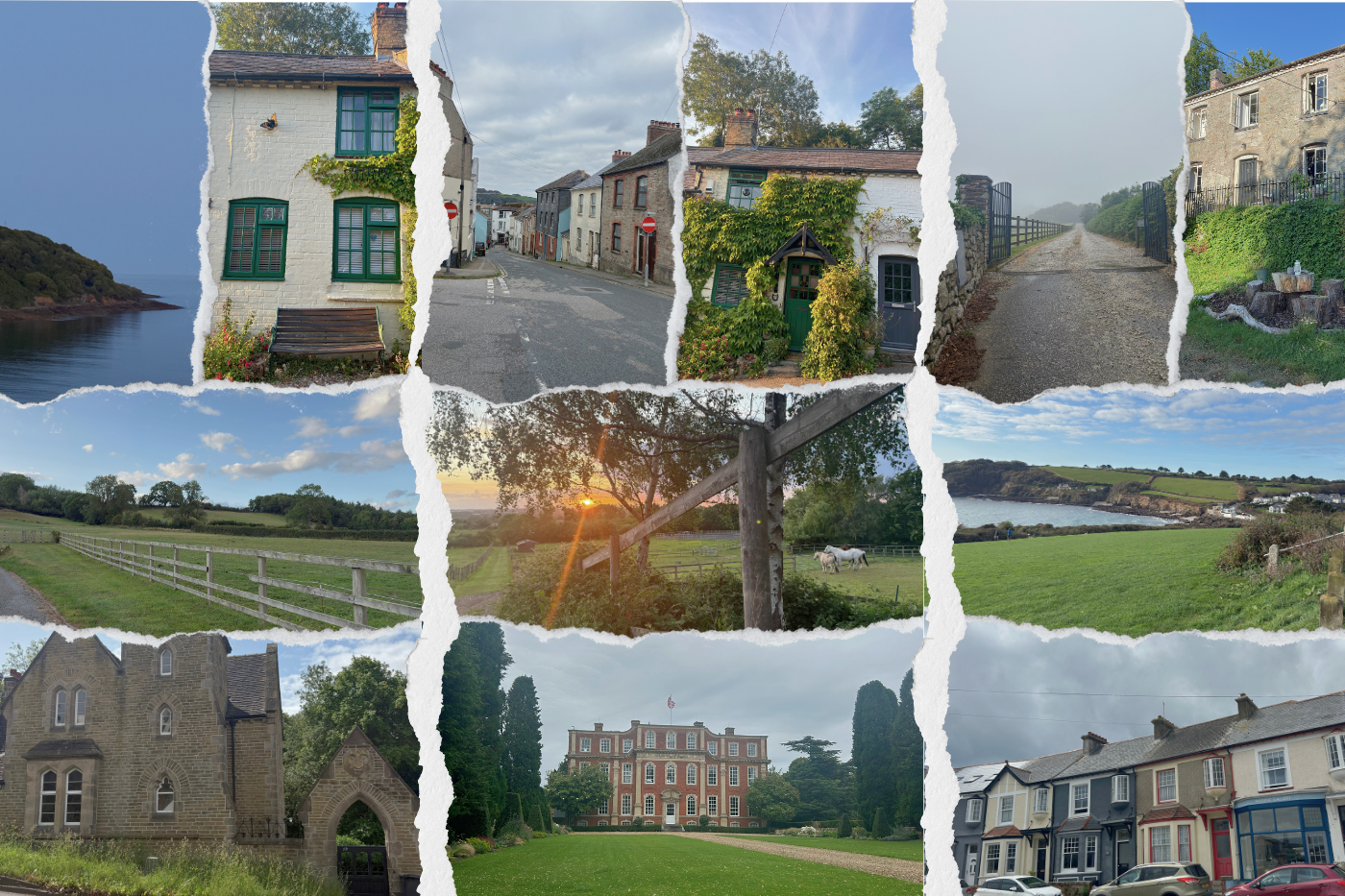
Beyond the capital, the UK opens into hedgerows, coastal paths, stone villages, and landscapes that don’t demand constant decision-making. Trains thin out. Roads narrow. Time stretches just enough to feel manageable again. For ADHD travellers, this matters more than scenery. It’s the difference between navigating noise and navigating space.
Planning rural UK travel looks different. Instead of chasing highlights, it works best when anchored around places that already understand slowness. National Trust sites quietly solve many of the problems that make travel overwhelming: predictable access, clear paths, toilets, parking, gentle walks, places to sit, places to stop thinking. You don’t need a packed itinerary when the environment itself is doing the regulating.
Days become simpler. One property. One garden. One stretch of coast or woodland. You arrive, wander without urgency, leave before fatigue turns into shutdown. Between sites, villages offer pauses rather than distractions—tea rooms instead of queues, fields instead of crowds.
Rural UK doesn’t reward intensity. It rewards presence. And when travel stops asking you to keep up, planning becomes less about control and more about choosing places that let your nervous system stay intact.
Green Britain is often reduced to a single image: honey-coloured villages, neat lanes, the Cotswolds folded neatly into a weekend. But that version of the country is curated, compressed, and busy. Step beyond it and the landscape opens into something wilder, quieter, and far more forgiving.

Wales is where the green begins to breathe. Hills roll instead of posing. Valleys hold mist in the mornings and release it slowly, like the day needs time to decide what it’s going to be. Paths are less polished, crowds thinner, and nature feels less managed. You can walk for hours without passing anyone, which for an ADHD mind often means the noise finally drops low enough to think—or not think at all.
Further east, the Peak District reshapes the idea of countryside. It isn’t soft; it’s expansive. Wide moorlands, long horizons, weather that changes its mind hourly. The scale matters. There’s space to burn off restlessness, to walk without a destination, to let focus return through movement. Villages sit quietly between climbs, offering just enough structure before you disappear back into the hills.
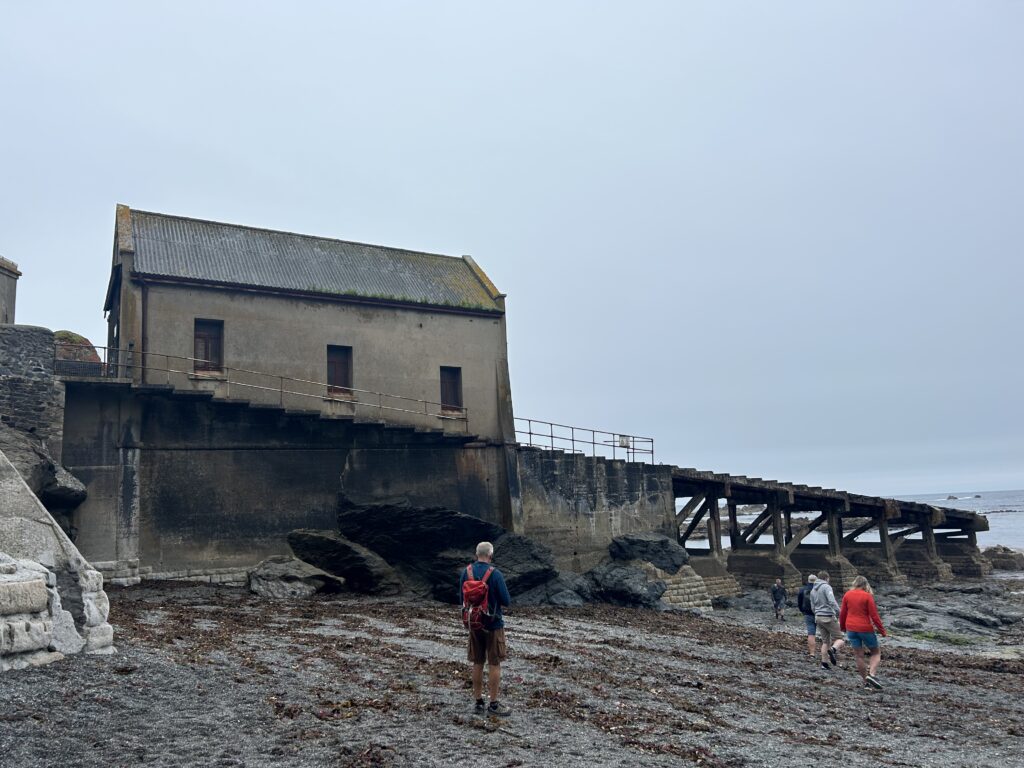
Cornwall arrives last, and differently. The green meets the sea and becomes restless again. Coastal paths stretch endlessly, dramatic without being demanding. You can choose short walks or long ones, hidden coves or open cliffs, depending on what your energy allows that day. The light shifts constantly, and the rhythm of tides replaces the pressure of time.
Seen together, Wales, the Peaks, and Cornwall tell a truer story of Britain. This is a country built for walking, pausing, rerouting, and changing plans mid-day without consequence. Green Britain isn’t a postcard. It’s a network of landscapes that let you travel without rushing, where planning means choosing space over spectacle and letting the land do most of the work for you.
If you want to experience this version of Britain—the quiet roads, the long walks, the pauses between places—you can follow the journey on the Travelling With ADHD YouTube channel. The videos focus on how these landscapes actually feel to move through, not how they look on a checklist.