COSTA RICA ECO TOURISM: NATURE RETREAT OR GREENWASHED BUSINESS
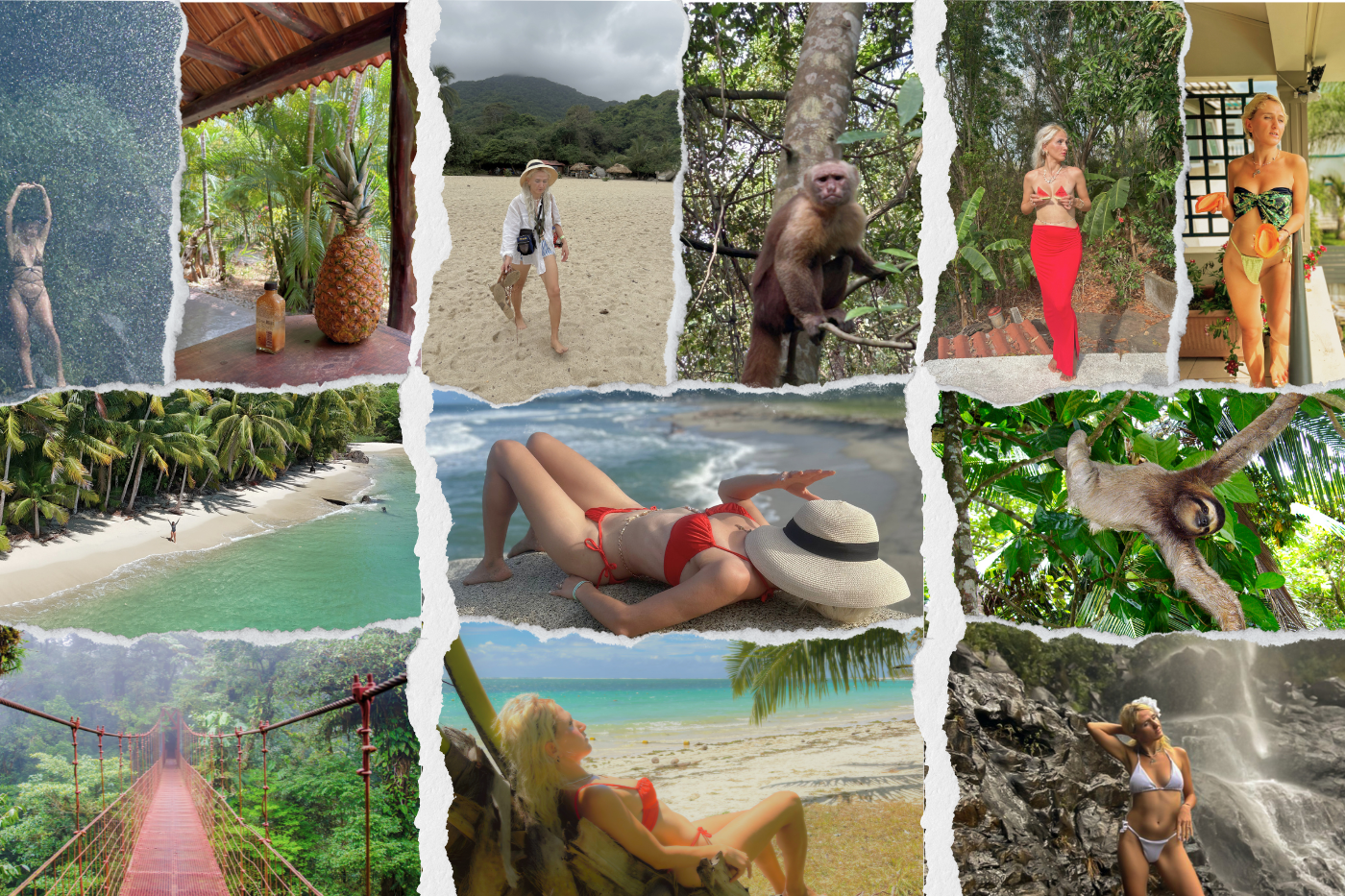
Costa Rica sells itself as the ultimate eco-paradise: jungle lodges, cloud forests, sloths on power lines, “pura vida” on every T-shirt. Under that marketing, the reality is more mixed. Some places genuinely protect the land and wildlife; others use the word “eco” as a price tag. For a traveler with anxiety or ADHD, you are not just asking “is it beautiful?” – you are asking
“is this actually sustainable, or did I just pay extra to feel less guilty?” If you are ready to feel frustrated, this is probably going to be one of the most controversial opinion about travelling Costa Rica. If you have different opinion please let me know!
COSTA RICA ON A BUDGET: WHAT “PURA VIDA’ COSTS?
Eco-tourism in Costa Rica sits on a sliding scale. On one side, you have family-run cabins, small reserves, local guides and basic comfort that still feels close to the forest. On the other side, you have polished “eco-resorts” with infinity pools, golf carts and slogans about sustainability that never mention how much land was cleared to build them. The experiences can look similar on Instagram, but they are not the same for the planet or for your budget.
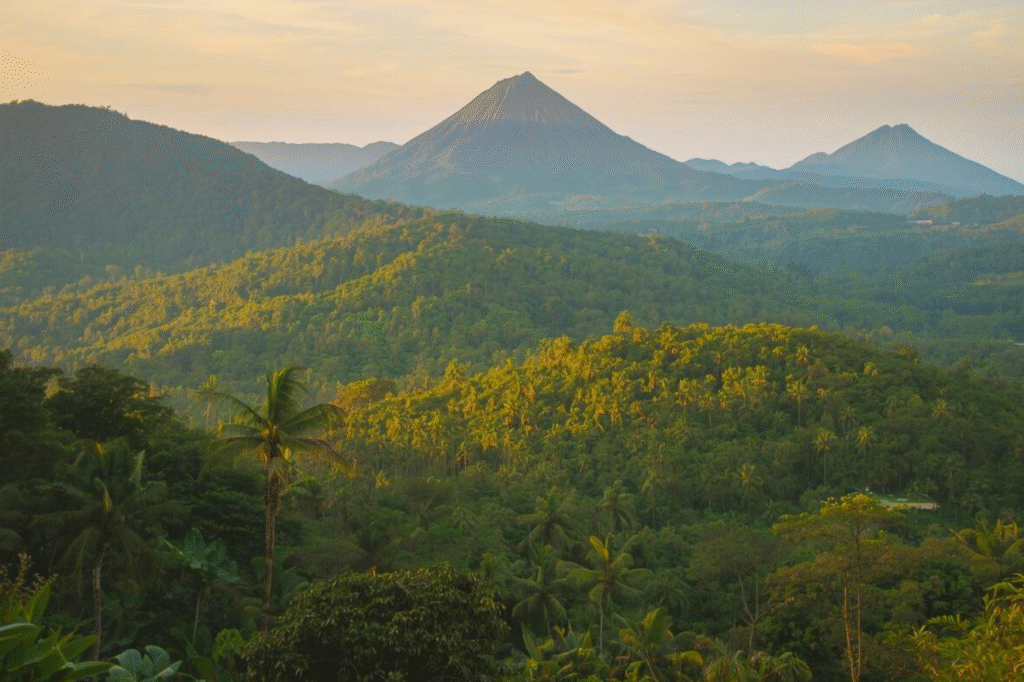
Well… What you can do is:
- Check who owns the place: local family, cooperative, or a foreign company using “eco” as branding.
- Look for concrete actions: limited rooms, water-saving systems, waste sorting, local staff, local suppliers.
- Be wary of constant upsells: every trail, shuttle and “exclusive experience” added as a separate high-priced extra.
- Notice the footprint: big cleared areas, loud music and bright lights at night usually mean nature is a backdrop, not the priority.
- When wealthy Americans discovered Costa Rica they offered a lot of money for the lands and with poor educational background, the natives couldn’t managed the money. And with no land no money, now they are labor of their own land.
- If you use Airbnb be careful, Costa Rica unfortunately has high risk of house break-ins. Don’t let your guard down, The wealth shown by the foreigners doesn’t affect the security alerts around the central and South America.
- I don’t want to be that kid who tells you Santa is not real, but, the eco-tourism is not real. Behind the high priced “natural parks” local people are cutting down trees, beautiful rainforests and dry forests to make their way to beef production and turning them into grasslands. So that “organic breakfast” has a different story.
Behind the leafy photos, Costa Rica is also one of the most expensive countries in Latin America. Eco-lodges that were once simple now charge premium rates, some national parks feel like businesses first and forests second, and many “wildlife experiences” push animals closer to humans than they should be. None of this cancels out the real conservation work happening in other regions; it just means your choices matter more than the logo on the website.
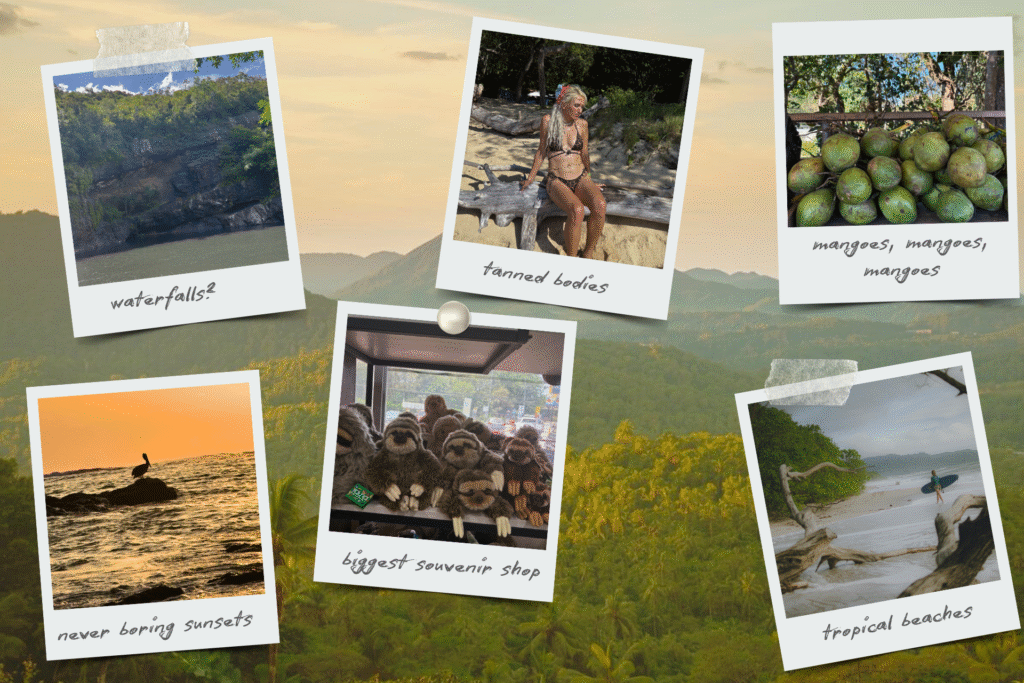
For an ADHD or anxious brain, Costa Rica can feel like a tug-of-war between peace and pressure. On one day you are in a quiet cabin listening to rain on the roof; on the next you are stuck in a line of tour vans, paying for a rushed “must-see” experience that feels like school trip energy. You stay more regulated when you accept that you do not have to see every volcano, every waterfall and every animal in one trip.
Eco-tourism is not how many green words are on the brochure. It is how gently your trip lands on the land and on your own nervous system.
Mr. Armadillo who doesn’t taste good
(Yes, unfortunately some locals eat armadillos. )

Costa Rica becomes a real nature retreat when you slow down your route, choose fewer bases, and stay long enough in each place to feel the rhythm beyond tourism. It becomes greenwashed business when every day is a new transfer, a new ticket and a new rush. The landscapes will be stunning either way; the difference is whether your brain and the environment pay the hidden cost.
If you are still here, thank you for staying with a long, nuanced take instead of a “best of Costa Rica in 7 days” checklist. I kept this post simple enough for a blog, but if you want to feel the reality behind the eco-tourism labels – the buses, mud, humidity and quiet forest moments – you can watch the Costa Rica videos on the Travelling with ADHD YouTube channel. And if Costa Rica already sits in your long-term daydreams, you can visit the shop to find Costa Rica-inspired prints and travel art, so a small piece of that green, messy beauty can live in your home while you design a trip that fits both your values and your brain.