REMOTE PANAMA: WHAT IT’S LIKE LIVING HOURS FROM THE NEAREST TOWN
There is more to Panama and just the canal
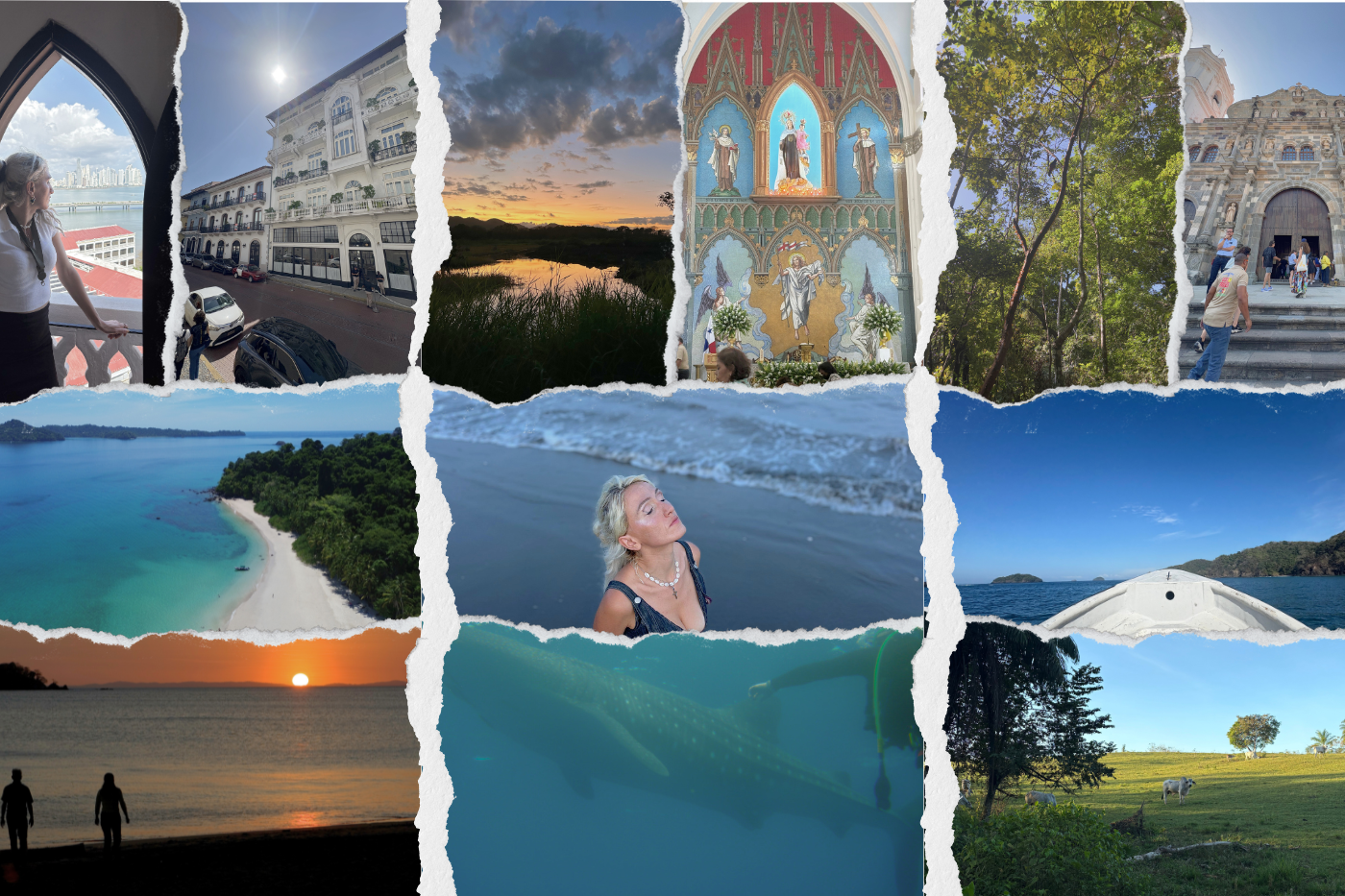
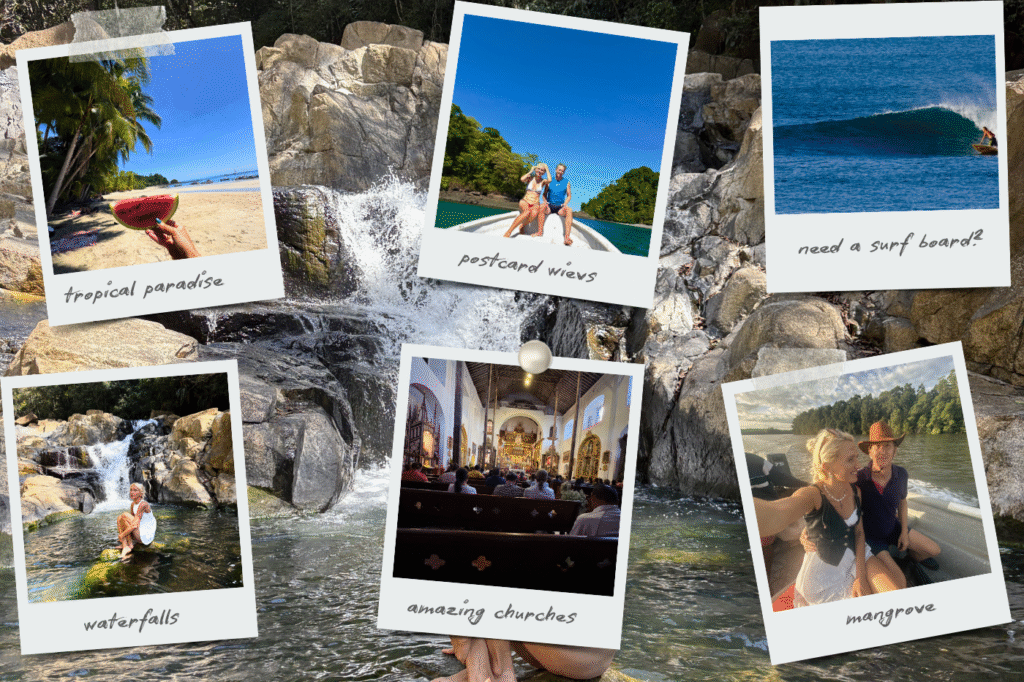
Panama has a double life. On one side, there is the sharp, organised skyline of Panama City – banks, canal, container ship and shopping malls. On the other, there are stretches of coast and islands where you are hours from the nearest town, shop,
doctor or ATM. Remote Panama is not a postcard layover; it is a place where you plan boat rides around tides, charge
everything before the generator cuts, and share your morning coffee with howler monkeys instead of traffic.
Living hours from the nearest town teaches you the di ff erence between being alone and being abandoned. One is empty; the other is full of sky, salt and time you finally get to feel.
Mrs. Scarlet Macaw, whom you can never see but hear.
Things to know about outback Panama
*You often reach home by boat or long 4×4 track, so every storm, tide and fuel run matters. You. might need to check out the tide times in order to be able to go to village market.
*This will sound strange but Panama is not a big farming country, the groceries in the countryside has tinned stuff, not too many vegetables or fruits. It must be the side effect of canal. I ended up taking 2 hours bus trip to the closest town for the weekly ‘healthy’ groceries.
*Supply runs are strategic: you buy food, medicine and spare parts knowing the next trip might be weeks away.
*The soundtrack is ocean, wind and insects instead of sirens and car horns – peaceful, but also very quiet at night. Especially if your accommodation is by the coast, constant white noise can be lovely and calming.
*Community is small and intense: you see the same faces constantly, which can feel grounding or suffocating depending on the day. But everyone is really friendly. From city to the country faces are smiling and kind. People are always helpful.
*With ADHD or anxiety, the lack of constant options can calm decision fatigue, but cabin fever is a real risk when weather traps you inside.
Panama City is where you can see sloths for in the middle of the city (only for 5$) oppositely 5 hours bus plus 80$ park entrance in Costa Rica.
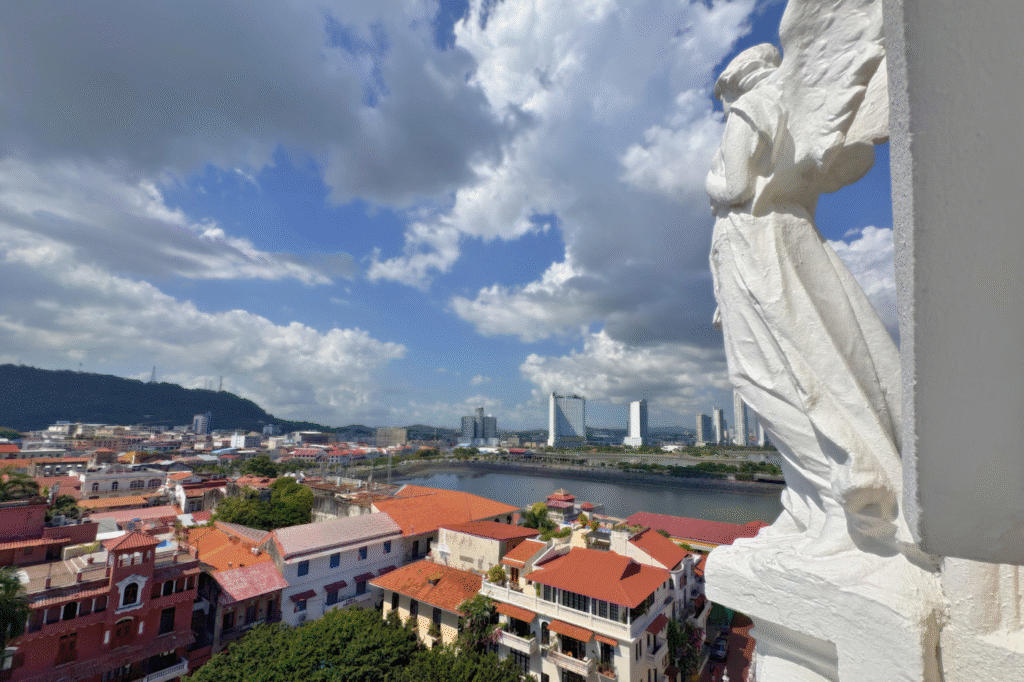
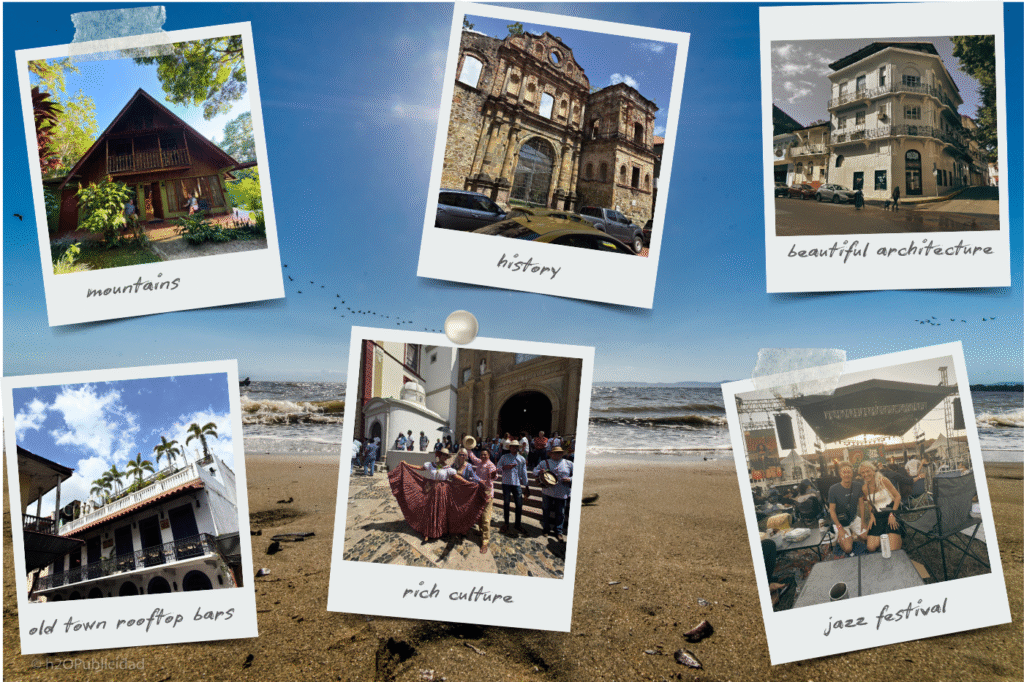
In Panama City you have a metro, big hospitals, malls and glass towers – and then sloths living in the forest right inside the city in places like Metropolitan Natural Park. Mountains rise less than an hour from the centre, and the old town keeps its own slow rhythm with balconies, plazas and Pacific sunsets. Tourism marketing still leans hard on the Canal and finance image, but the country quietly holds far more variety than its layover reputation suggests.
What makes Panama unusual is how close this remoteness sits to a hyper-organised capital. In Panama City you have a metro, big hospitals, malls and glass towers – and then sloths living in the forest right inside the city in places like Metropolitan Natural Park. Mountains rise less than an hour from the centre, and the old town keeps its own slow rhythm with balconies, plazas and Pacific sunsets. Tourism marketing still leans hard on the Canal and finance image, but the country quietly holds far more variety than its layover reputation suggests.
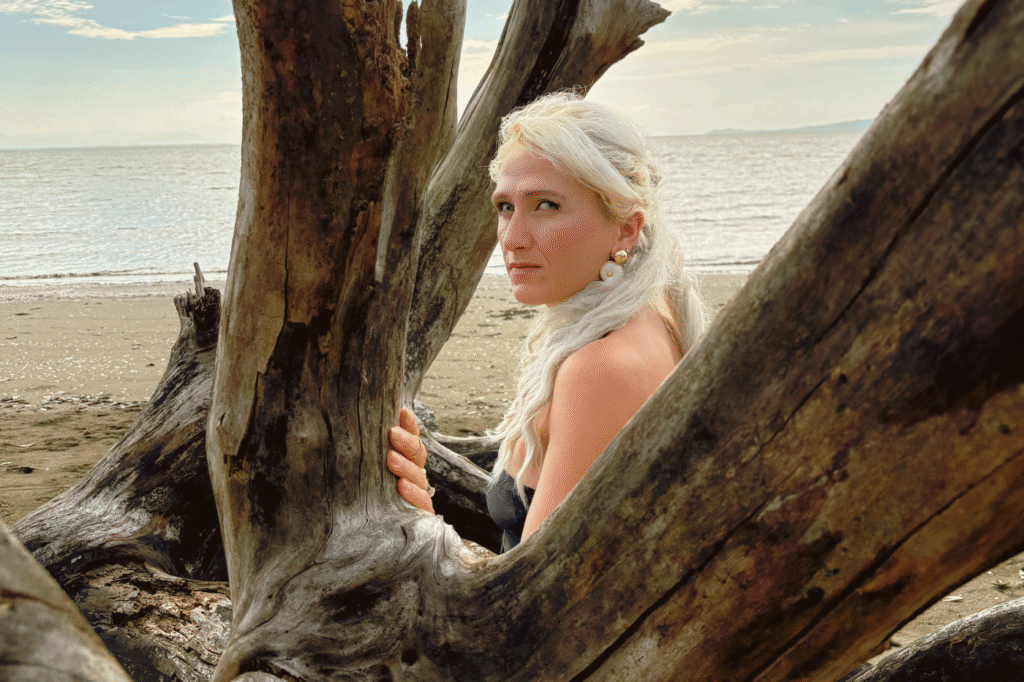
Remote Panama is not a fantasy of endless beach days. It is a trade: fewer sirens and screens in exchange for fewer services and slower everything. Some days, your ADHD brain feels free – no constant notifications, just tasks you can see and touch. Other days, the isolation, heat and logistics press on your chest. Whether it works for you depends on how you cope with uncertainty, repetition and the fact that “popping to the shop” is now a boat journey, not a quick walk.